By Marcelo Steinmander
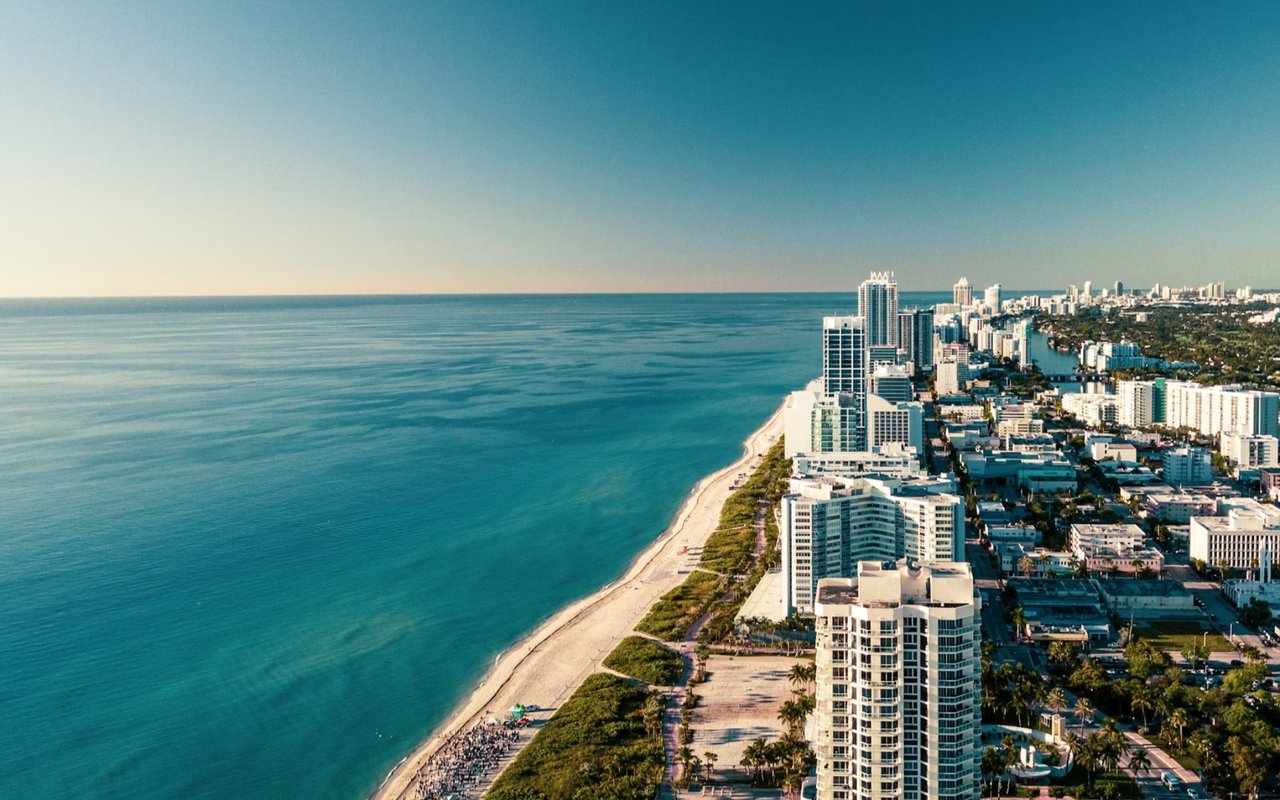
In Miami Beach, the beach isn't just an amenity — it's the fundamental driver of real estate value. Every pricing decision, every location comparison, and every buyer conversation eventually comes back to the water. But not all beach access is equal, and the distinctions between Miami Beach's different coastal corridors matter considerably more than most buyers initially understand. Here's how I frame the beach conversation for buyers evaluating Miami Beach real estate.
Key Takeaways
- Beach proximity is the primary value driver in Miami Beach real estate, but the type and character of nearby beach access matters as much as the distance.
- Miami Beach's coastal corridors — South Beach, Mid-Beach, and North Beach — each deliver a distinct beach experience and attract a different buyer profile.
- Oceanfront and ocean-view properties command significant premiums that reflect both lifestyle value and long-term investment fundamentals.
- Understanding how beach access is classified and regulated in Miami Beach is essential due diligence for any buyer in this market.
South Beach: The Global Icon
South Beach's beaches are among the most recognized in the world, and the real estate market surrounding them reflects that status. The stretch from 1st Street to roughly 23rd Street delivers the full South Beach experience — wide sand, Art Deco backdrop, consistent energy, and the kind of international visibility that makes properties here desirable to buyers from every continent.
What South Beach Beach Access Means for Buyers
- Oceanfront and ocean-block properties in South Beach command some of the highest price-per-square-foot figures in all of Miami-Dade County.
- The beach here is wide, well-maintained, and publicly accessible — a characteristic that sustains long-term demand regardless of ownership structure.
- Buyers seeking iconic Miami Beach living with walkable access to Lincoln Road, the Art Deco Historic District, and South Beach dining will find no substitute for this corridor.
- Properties set back from the ocean still carry meaningful premiums for partial views and proximity, making location within South Beach a tiered value proposition.
South Beach is where the Miami Beach brand lives. Properties here carry that identity as a permanent feature.
Mid-Beach: The Elevated Alternative
Mid-Beach — roughly from 23rd Street through the Faena District and up toward 44th Street — has emerged as the most refined segment of Miami Beach's residential market. The Faena District in particular has redefined luxury expectations on the island, attracting high-net-worth buyers who want the beach lifestyle with less density and a more curated environment.
What Mid-Beach Delivers for Discerning Buyers
- The Faena District brought world-class architecture, hospitality, and cultural programming to a stretch of Mid-Beach that now anchors Miami Beach's most prestigious residential addresses.
- Beach access here is less crowded than South Beach, with a quieter atmosphere that appeals to buyers prioritizing privacy over social energy.
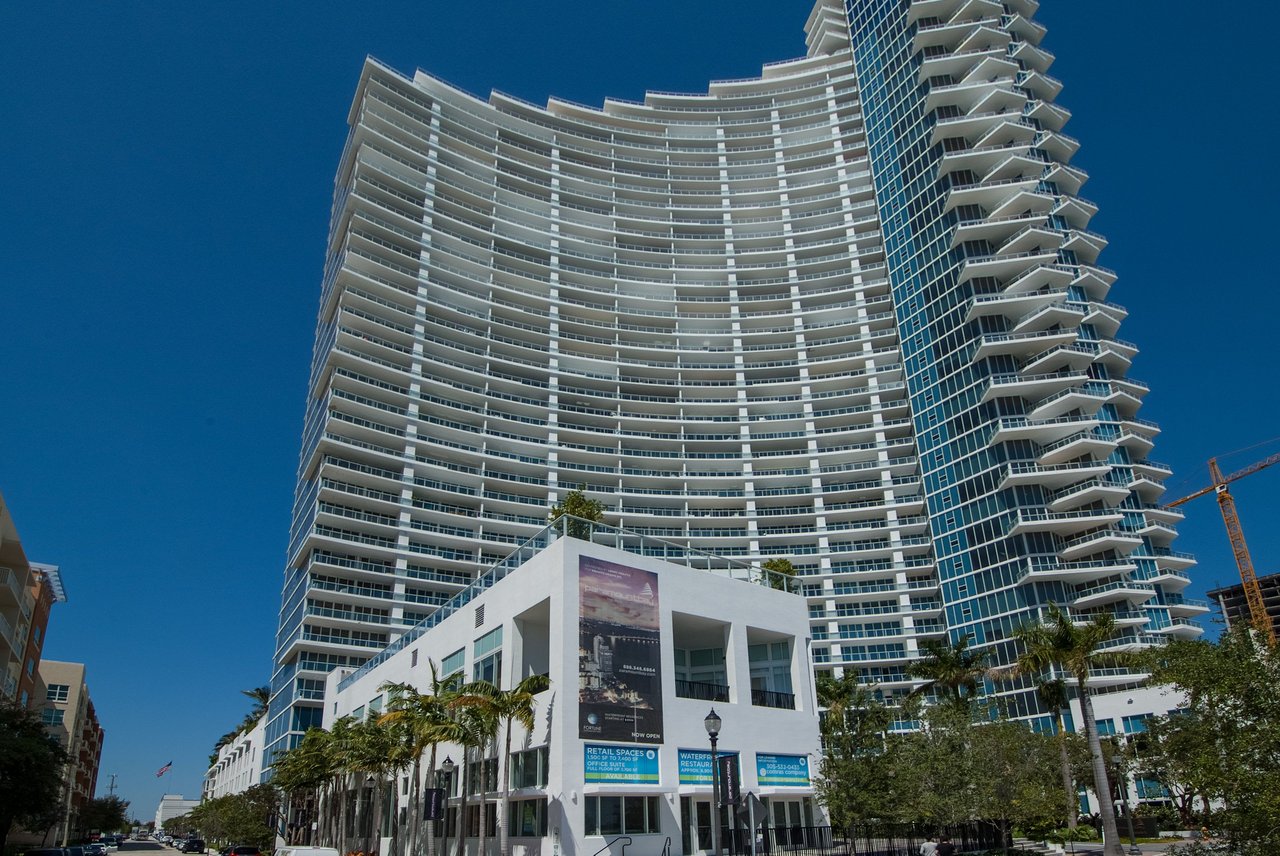
- Oceanfront towers in this corridor offer some of the most significant condo and penthouse inventory in the city, with floor plans and amenity programs that reflect a genuinely luxury standard.
- Mid-Beach's continued development trajectory supports a strong long-term value case for buyers entering this segment now.
Mid-Beach is where the market's most discerning buyers are increasingly focused, and the beach access here reflects that positioning.
North Beach and Surfside: The Residential Alternative
North Beach and Surfside — from roughly 63rd Street through the Surfside and Bal Harbour border — offer the most genuinely residential version of Miami Beach's beach lifestyle. The beaches here are less crowded, the neighborhoods quieter, and the buyer profile more family-oriented than anything you'll find in South or Mid-Beach.
Why North Beach and Surfside Appeal to a Specific Buyer
- Beach access here is less congested year-round, making it more practical for daily use by residents rather than primarily by tourists and seasonal visitors.
- Surfside offers walkable proximity to Bal Harbour Shops, one of the most prestigious luxury retail destinations in the country, adding lifestyle value beyond the beach itself.
- The residential character of these neighborhoods, combined with strong school options and lower density, attracts buyers prioritizing family infrastructure alongside beach access.
- Property values in this corridor have appreciated consistently as buyers priced out of South and Mid-Beach have moved north — a trend that supports the investment case for early movers.
North Beach and Surfside represent the most livable version of Miami Beach's beach lifestyle for buyers who want the setting without the intensity.
What Beach Access Means in Practice for Buyers
Beyond the lifestyle considerations, beach proximity in Miami Beach carries practical implications that affect insurance costs, building maintenance requirements, and long-term ownership expenses. Buyers who focus exclusively on the lifestyle appeal without evaluating the practical side frequently encounter surprises post-closing.
Practical Considerations Every Beach Buyer Should Evaluate
- Flood zone designation varies significantly across Miami Beach's coastal corridors and directly affects insurance premiums — sometimes dramatically between blocks that appear similar on paper.
- Oceanfront buildings face elevated maintenance costs driven by salt air exposure, which affects mechanical systems, exterior finishes, and structural components at a faster rate than inland properties.
- Wind mitigation features and hurricane-rated building envelopes vary between older and newer buildings, affecting both insurance costs and the property's resilience during storm season.
- Reserve fund adequacy in oceanfront condo associations is particularly important given the ongoing maintenance demands of coastal exposure — this is non-negotiable due diligence before any purchase.
Beach access is a lifestyle asset. The practical side of owning near the water needs to be evaluated with equal care.
FAQs
Does oceanfront versus ocean-view make a significant price difference in Miami Beach?
Yes, materially. Oceanfront properties command the highest premiums, followed by direct ocean view, partial view, and then proximity without a view. The gap between oceanfront and one block back is significant and consistent across all of Miami Beach's corridors.
Are all Miami Beach beaches publicly accessible?
Yes. Miami Beach's beaches are publicly owned and accessible, which distinguishes them from some Florida coastal markets where beach access is more restricted. This public access structure sustains broad demand and supports long-term property values along the entire coastal corridor.
How does North Beach compare to South Beach as a long-term investment?
Both corridors have strong long-term fundamentals. South Beach carries a global brand premium that is unlikely to diminish. North Beach and Surfside offer more accessible entry points with appreciation potential driven by northward demand migration — a dynamic that has played out consistently over the past decade and shows no signs of reversing.
Buy on the Beach with the Right Agent
In Miami Beach, where you are relative to the water determines everything. I'm ranked among the top half of 1% of real estate agents nationwide and serve as the number one individual producer at Berkshire Hathaway HomeServices EWM Realty. My practice spans South Beach, Edgewater, Brickell, and beyond, with deep expertise in the luxury condos, penthouses, and waterfront properties that define this market.
In today's market, choosing the right agent matters. Let me show you why. Reach out today to connect with me.
In today's market, choosing the right agent matters. Let me show you why. Reach out today to connect with me.