Everything You Need to Know About Investing in Miami Beach Real Estate | 2026 Guide
Quick Take: Investing in Miami Beach real estate (ZIP 33139 / 33140 / 33141) combines island land scarcity, international capital demand, and Florida tax advantages. Gross rental yields range from 3.5% to 5.2% for long-term luxury residences, while select short-term rental (STR) condo-hotels in designated MX-E zoning districts achieve 6.5% to 9.5% gross. Success requires navigating strict City of Miami Beach transient rental ordinances, Florida Structural Integrity Reserve Studies (SIRS / Senate Bill 4-D), FIRPTA withholding rules for foreign buyers, and micro-submarket dynamics across South Beach, Mid-Beach, and North Beach.
Access off-market condo inventory, short-term rental zoning audits, and SIRS financial reserve analysis with Marcelo Steinmander at Berkshire Hathaway HomeServices EWM Realty.
Miami Beach Submarket / District | Primary Investment Asset Class | Target Gross Yield Range | Short-Term Rental (STR) Zoning Rules | HOA Maintenance & Reserve Profile |
|---|---|---|---|---|
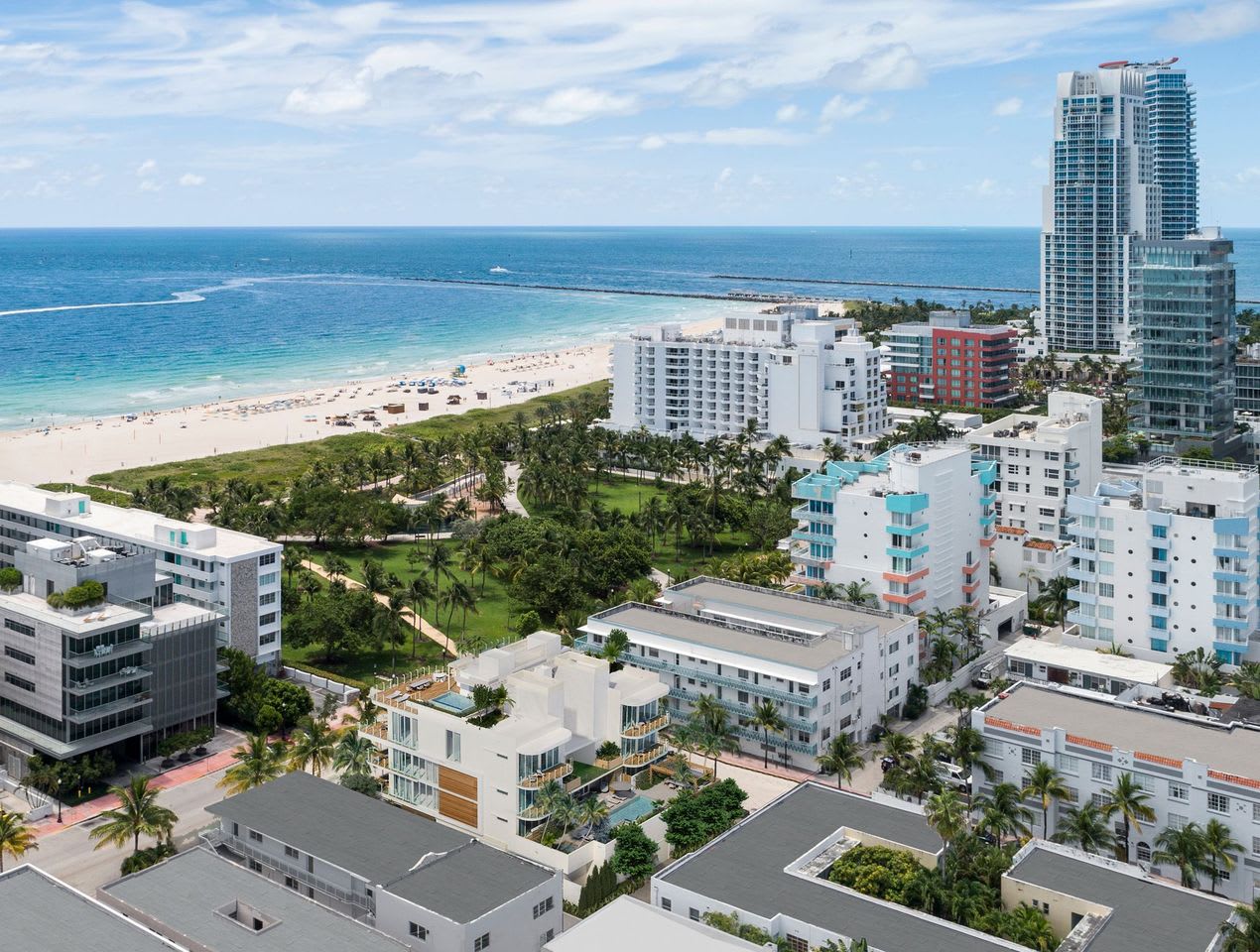
South of Fifth (SoFi) | Ultra-luxury oceanfront towers (Continuum, Apogee) | 3.2% - 4.5% Gross Yield | Strict 6-month to 1-year minimum leases; no transient rentals permitted | High HOA dues ($1.80 - $2.60/sq ft); pristine reserves, exceptional equity appreciation |
Central South Beach (Commercial Zone) | Condo-hotels & flex-leasing towers (1 Hotel, Setai) | 6.5% - 9.5% Gross Yield | MX-E zoning permits daily transient rentals with City Resort Tax Business Tax Receipt | High HOA & management fees (25%-35% of gross revenue); high cash flow density |
Mid-Beach & Millionaire's Row | Resort high-rises & historic Deco conversions | 4.0% - 5.5% Gross Yield | Primarily 30-day to 6-month minimum leases depending on building bylaws | Moderate HOA dues ($1.10 - $1.75/sq ft); active SIRS reserve funding for older towers |
North Beach & Normandy Isles | MiMo boutique condos & emerging new construction | 5.0% - 6.8% Gross Yield | Town Center Overlay allows flexible short-term rentals in designated corridors | Lower entry price ($550 - $950/sq ft); low HOA overhead and high redevelopment upside |
By Marcelo Steinmander
Miami Beach is one of the few real estate markets in the world that functions simultaneously as an international lifestyle destination and a serious long-term investment vehicle. Its combination of finite barrier island land, international capital flows, Florida's tax advantages, and a global brand that shows no signs of fading has produced consistent capital appreciation through multiple economic cycles. However, investing here requires rigorous local preparation and active asset management.
Why Miami Beach Works as a Premier Real Estate Market
While most real estate markets offer standard appreciation potential, Miami Beach provides structural supply protection. The island's geography creates an absolute constraint on land availability that cannot be expanded through future land development. This permanent scarcity, paired with sustained demand from domestic relocations and international buyers, forms the bedrock of the investment thesis.
- Geographic Supply Constraint: Bounded by the Atlantic Ocean and Biscayne Bay, Miami Beach cannot expand outward. Supply is permanently capped.
- Florida Tax Environment: Zero state income tax, zero state estate tax, and protective asset structuring for primary and secondary homeowners.
- Global Capital Flows: Continuous capital inflow from Latin America, Europe, and domestic high-net-worth hubs creates buyer liquidity across market cycles.
- Unmatched Global Brand: World-class dining, Art Basel, South Beach nightlife, and year-round coastal lifestyle generate resilient rental tenant demand.
Understanding Your Investment Strategy: STR vs Long-Term Yields
Selecting the right asset depends entirely on your investment objectives. Purchasing a unit without verifying building leasing bylaws and municipal zoning is the most common pitfall for out-of-state investors.
1. Long-Term Rental Strategy (Annual Leases)
Targeting stable monthly cash flow through 12-month tenant leases is the most straightforward path in residential towers across South Beach, Mid-Beach, and North Beach. Annual leases generate lower turnover costs, minimal wear-and-tear, and predictable net income.
2. Short-Term Vacation Rental Strategy (Daily / Nightly STR)
Operating a short-term vacation rental in Miami Beach yields higher gross revenue but requires strict regulatory compliance. The City of Miami Beach aggressively enforces transient rental laws. Short-term rentals are strictly prohibited in residential zoning districts and are restricted to designated MX-E (Mixed-Use Commercial) overlay zones. Operating an unpermitted short-term rental carries severe municipal fines starting at $20,000 per violation.
3. Capital Appreciation & Trophy Asset Strategy
Focusing on 5-to-10-year equity growth without relying on immediate rental yield. Ultra-luxury oceanfront towers in South of Fifth (SoFi) (such as Continuum and Apogee) serve as pristine wealth preservation vehicles for global investors.
The Regulatory, Tax & SIRS Compliance Landscape
Navigating Florida's legal and regulatory framework requires specific local expertise before executing a purchase contract:
Investor Regulatory & Financial Checklist
- Transient Rental BTR Clearance: Verify that the building is in an approved short-term rental zone and obtain a City of Miami Beach Business Tax Receipt (BTR) and Resort Tax Registration Number.
- Florida SIRS Compliance (Senate Bill 4-D): Condominium associations three stories or higher must complete Structural Integrity Reserve Studies (SIRS) and fully fund reserves for major structural repairs. Review reserve balances to avoid special assessment surprises.
- FIRPTA Withholding for Foreign Investors: Foreign sellers of U.S. real property are subject to 15% FIRPTA tax withholding on gross sales proceeds unless specific exemptions apply.
- 4-Point & Wind Mitigation Insurance Audits: Older building stock requires updated 4-point inspections (roof, electrical, plumbing, HVAC) to secure competitive property insurance quotes.
Building Selection Is Investment Selection
In Miami Beach's condo-dominant market, two identical units in neighboring buildings can produce vastly different financial returns. Evaluating an association's financial health, HOA dues ($0.95 - $2.60/sq. ft.), reserve balances, and rental restrictions determines whether an asset meets your performance benchmarks.
Marcelo Steinmander | Berkshire Hathaway HomeServices EWM Realty
Navigating Miami Beach real estate investment requires hyperlocal knowledge, building-level financial analysis, and regulatory expertise. Ranked in the top half of 1% of agents nationwide and the #1 individual producer at Berkshire Hathaway HomeServices EWM Realty, Marcelo Steinmander provides strategic guidance for domestic and international investors.
Office: 550 South Dixie Highway, Coral Gables, FL 33146 | Direct Advisory: Contact Marcelo Steinmander
Frequently Asked Questions
Is Miami Beach a good market for international real estate investors?
Yes. Miami Beach is one of the most active international markets in the United States, attracting continuous capital from Latin America, Europe, and Canada due to dollar-denominated stability, zero state income tax, and strong resale liquidity.
What are the short-term rental rules in Miami Beach?
Miami Beach strictly prohibits short-term rentals (under 6 months and 1 day) in residential zoning districts. Short-term rentals are legally permitted only in specific commercial/mixed-use zones (MX-E) and designated condo-hotel developments with valid City BTR and Resort Tax permits.
What is the average rental yield in Miami Beach?
Long-term unfurnished residential rentals in Miami Beach typically yield between 3.5% and 5.2% gross. Legally operating short-term rental condo-hotels in high-demand zones can generate gross yields of 6.5% to 9.5%, though management fees (25%-35%) impact net returns.
How do Florida SIRS reserve laws affect buying a condo in Miami Beach?
Under Senate Bill 4-D, Florida condo associations 3 stories or higher must conduct Structural Integrity Reserve Studies (SIRS) and fully fund reserves for structural components. Investors must audit the building's SIRS report to ensure no impending unfunded special assessments exist.