By Marcelo Steinmander
Miami Beach homes present one of the most interesting interior design challenges in American residential real estate — because the setting is so extraordinary that the interior needs to compete with it. The turquoise water, the abundant natural light, the Art Deco and Mediterranean Revival architecture that defines the built environment here all create a context that generic design approaches fail to honor. I work with buyers and sellers throughout Miami Beach, from South of Fifth penthouses to mid-beach single-family homes, and the interiors that make the strongest impression are the ones that feel genuinely of this place. Here's how to find your direction.
Key Takeaways
- The most effective Miami Beach interiors work with the architecture and the light, not against them.
- The indoor-outdoor connection is the defining design opportunity in Miami Beach — interiors that ignore it miss what makes these homes extraordinary.
- Warm, natural palettes rooted in the coastal environment outperform trend-forward choices and hold their appeal far longer in this market.
- Miami Beach's architectural variety — Art Deco, Mediterranean Revival, and modern — each responds best to a distinct design direction.
Let the Architecture Lead
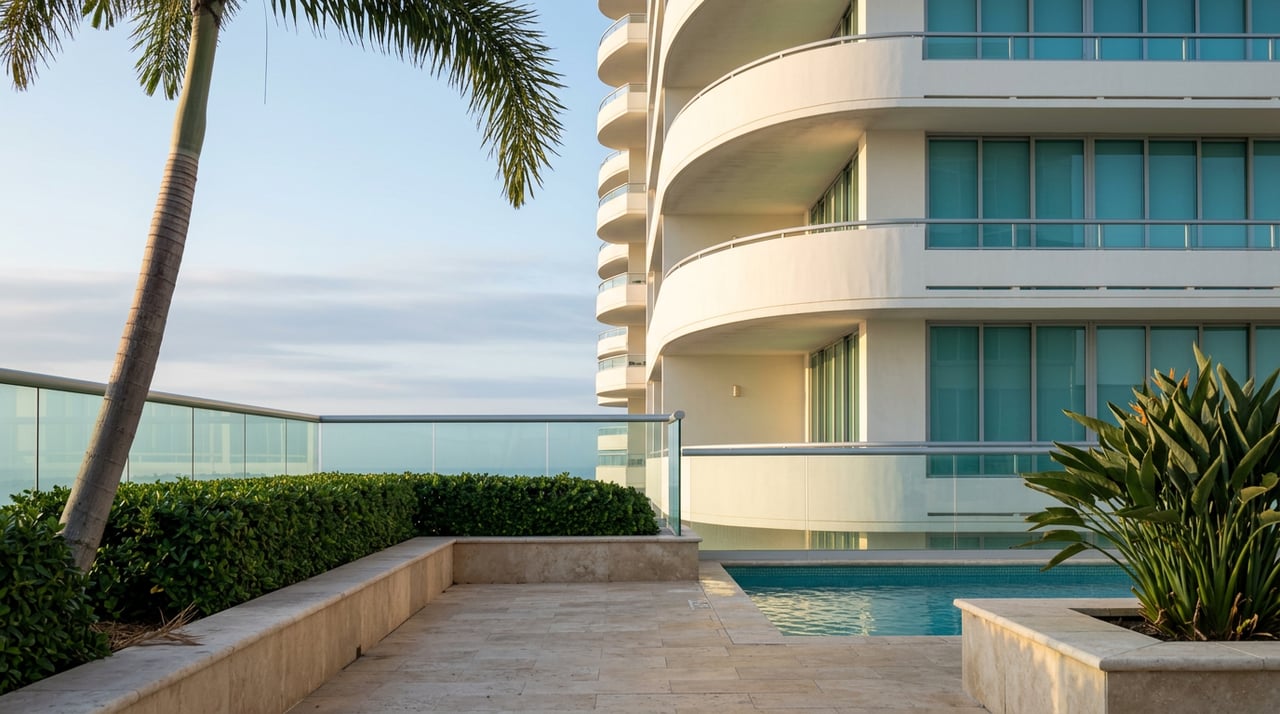
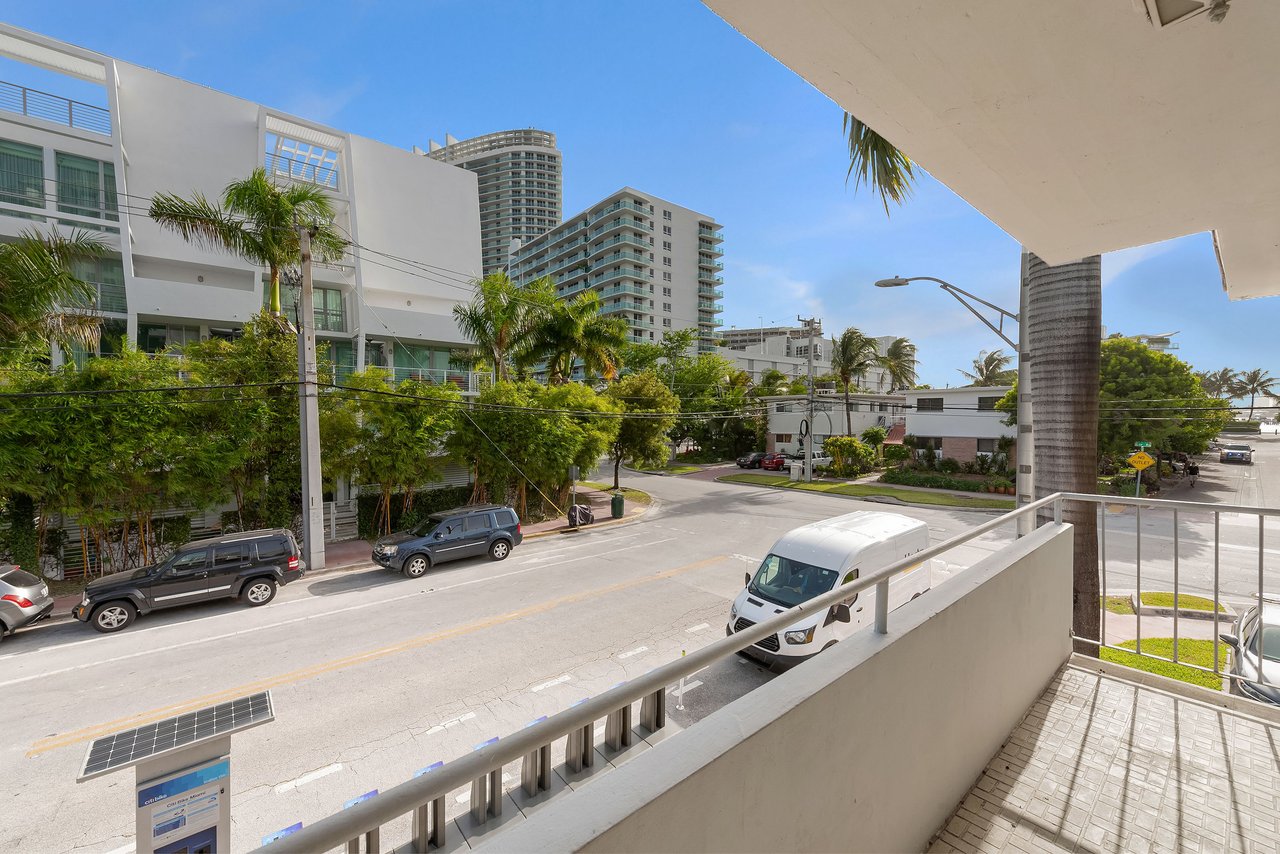
Miami Beach's architectural landscape is genuinely diverse — the Art Deco buildings of South Beach, the Mediterranean Revival homes throughout the mid-beach residential streets, the contemporary glass towers along Collins Avenue, and the renovated bungalows near Sunset Harbour all carry their own design DNA. The interiors that feel most resolved are the ones where the design direction responds to what the building already is rather than imposing a style that contradicts the bones.
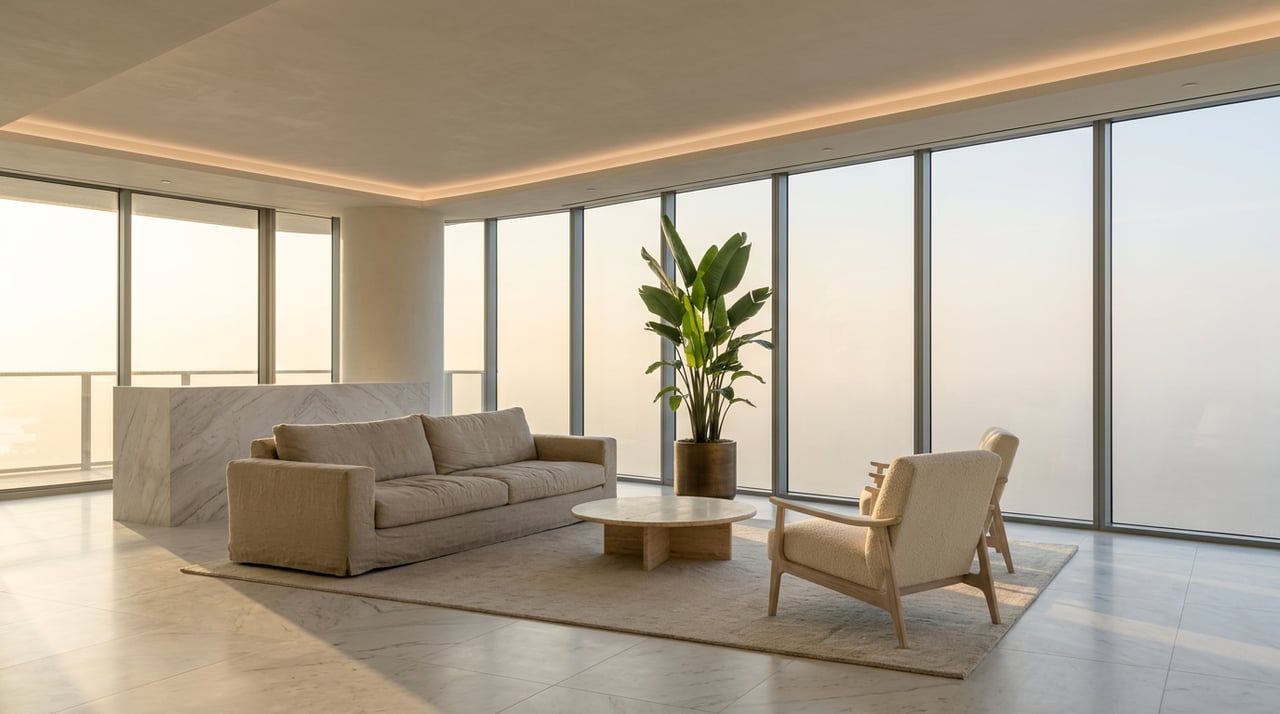
An Art Deco building in South Beach has geometric detailing, bold proportions, and a history of glamour that responds to interiors with a similarly graphic sensibility — strong contrast, streamlined furniture, and a color palette that echoes the period. A Mediterranean Revival home calls for warm plaster walls, terracotta or stone floors, arched doorways respected rather than squared off, and layered natural textiles. A contemporary glass tower in a building like Brickell Flatiron invites restraint — minimal furniture profiles, natural stone surfaces, and the deliberate placement of a few exceptional pieces rather than a fully layered room.
Design Directions by Miami Beach Home Type
- Art Deco — graphic contrast; streamlined furniture; bold accent colors against neutral backgrounds
- Mediterranean Revival — warm plaster tones; terracotta and stone; arched details preserved
- Contemporary high-rise — restraint and precision; natural stone; uninterrupted water views
- Renovated bungalow — relaxed coastal; natural materials; indoor-outdoor flow prioritized
The Palette That Works in Miami Beach
The palette decision that holds up longest in Miami Beach homes — and that photographs most effectively in listing contexts — is built around warm, natural tones drawn from the actual environment. The warm gold of late afternoon light over the water, the soft ivory of the sand, the blue-green of Biscayne Bay, the muted sage of coastal grasses — these are the colors that feel earned in Miami Beach rather than imported.
Stark white, while popular in editorial contexts, reads as cold and clinical in Miami Beach's residential settings and competes with the extraordinary light rather than amplifying it. Cool gray has faded among informed buyers who've watched it shift to blue or purple in the east-facing light that dominates many Miami Beach residences. Warm creams, sandy off-whites, soft clay tones, and the quiet greens of coastal vegetation create backgrounds that let the light and the view do the work.
Palette Principles for Miami Beach Interiors
- Walls: warm white or sandy off-white — never stark blue-white or cool gray
- Natural materials: limestone, travertine, cerused oak, linen, rattan, aged brass
- Accent colors: deep ocean blue, coral, or warm terracotta — used deliberately and sparingly
- Avoid: cool gray, all-white interiors, and highly saturated color that competes with the water view
The Indoor-Outdoor Imperative
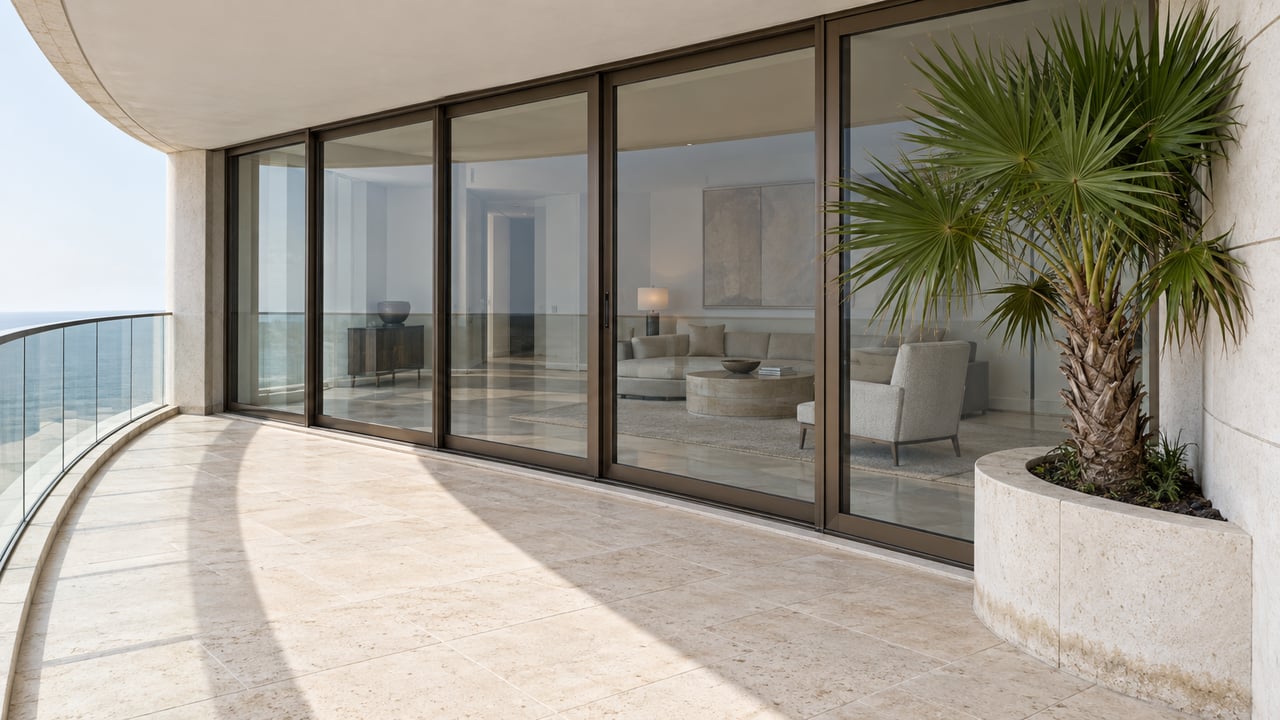
In Miami Beach, the relationship between interior space and the outdoor environment is the single most important design consideration available. Buyers purchasing homes here — particularly at the upper tier — are making a lifestyle investment in the water, the light, and the outdoor living that the city's climate allows nearly year-round. An interior that ignores or competes with this relationship misses the entire point of living in Miami Beach.
Practically, this means orienting primary seating toward water or garden views rather than interior walls. It means choosing window treatments that filter rather than block, keeping sightlines to the outdoor environment open from every major room. It means designing terraces and outdoor spaces with the same level of intentionality as interior rooms — covered with ceiling fans for Miami's summer heat, furnished with marine-grade quality, and lit for evening use.
Ways to Strengthen Indoor-Outdoor Connection in Miami Beach Homes
- Fold or stack glass door systems that open interior rooms to terraces entirely
- Complementary or continuous flooring between interior and exterior surfaces
- Seating arranged toward water views or garden — not toward TV walls
- Terraces furnished and staged as true rooms — with shade, lighting, and quality furniture
- Sheer window treatments in water-facing rooms — filter light without blocking the view
Frequently Asked Questions
What design style appeals most to buyers in Miami Beach's luxury market?
Refined coastal — warm natural materials, a palette drawn from the environment, strong indoor-outdoor connection, and restraint in furniture selection — consistently generates the broadest buyer response and the strongest listing photography in Miami Beach's upper market. Trend-forward or highly personal choices narrow the buyer pool; place-specific choices broaden it.
Should we repaint before listing our Miami Beach home?
Fresh paint in a warm, current neutral is one of the highest-return pre-listing investments available in any Miami Beach property. It photographs dramatically better, signals care to buyers, and removes the mental discount they apply when they see dated or trend-dependent wall color. I advise on specific palette choices based on the home's architecture, light conditions, and buyer tier.
How do we balance modern updates with the original character of an older Miami Beach home?
The approach that works best is updating systems and finishes while preserving original architectural detail. In an Art Deco building, that means maintaining the geometric plaster work and terrazzo floors while updating the kitchen and baths to current standards. In a Mediterranean Revival home, it means honoring the arched doorways and clay tile roofs while bringing interior finishes to a luxury standard. The contrast between current function and historic character is exactly what makes these homes distinctive.
Contact Marcelo Steinmander Today
Design decisions in a Miami Beach home — whether you're preparing to list or settling into a new property — benefit from local market knowledge and a clear sense of what actually resonates with buyers in this specific community. That's a perspective I bring to every conversation I have with buyers and sellers throughout Miami Beach.
Reach out to me, Marcelo Steinmander, and let's talk about your Miami Beach property and your goals.