What if your first showing happens before a buyer ever lands in Miami? In Coral Gables, that is often the reality, especially when your home may appeal to out-of-state and international buyers comparing properties from another city or another time zone. If you want to make a strong impression and reduce friction before negotiations begin, preparation matters. Let’s dive in.
Why Coral Gables demands extra preparation
Coral Gables is not just another luxury market. The city presents itself as the City Beautiful and a Garden City, and it is home to more than 20 consulates and foreign government offices, more than 140 multinational corporations, and over 1,000 properties on the Coral Gables Register of Historic Places.
That matters because global buyers are not only evaluating square footage and finishes. They are also paying attention to architecture, setting, and how well a home fits the civic identity that makes Coral Gables distinct. In this market, presentation is not just cosmetic. It is part of the value story.
Start with a digital-first mindset
Many buyers begin online, and that is especially important when your buyer may be relocating or purchasing from abroad. Recent buyer research found that 41% of buyers started their search online, and among internet users, photos, detailed property information, floor plans, and virtual tours were rated among the most useful listing features.
For a Coral Gables luxury home, your online presence needs to do more than attract clicks. It needs to help a serious buyer understand the property clearly enough to decide whether to schedule a showing, send a representative, or move directly into offer-stage conversations.
A useful way to think about it is this: your first showing should be digital, your second may be in person, and your buyer may be evaluating everything from another time zone.
Preserve the home’s architectural identity
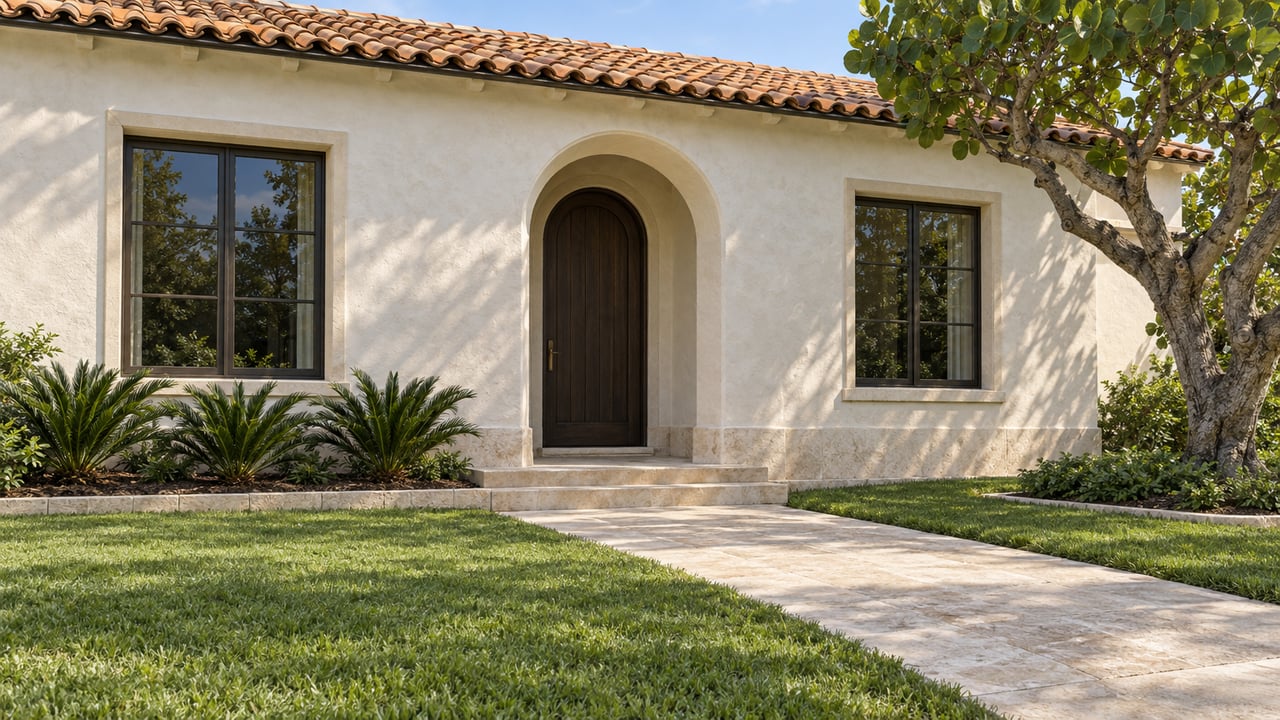
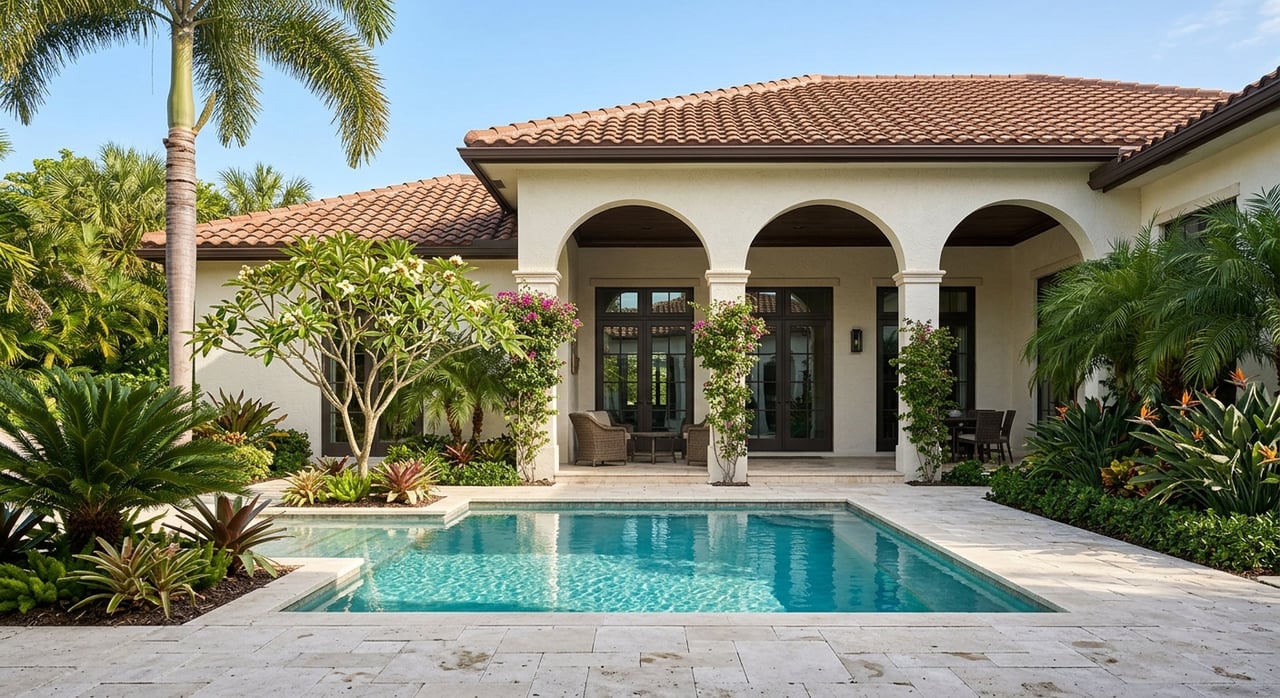
In Coral Gables, architectural character often carries real weight. The city’s design guidance defines Coral Gables Mediterranean Architecture as part of George Merrick’s vision, and historic properties or homes in historic districts may be subject to review before exterior changes can move forward.
If your home has historic designation or sits within a historic district, be careful about making updates that strip away original character. In many cases, preserving character-defining features is the smarter pre-listing move than trying to modernize everything.
That does not mean your home should feel dated. It means your preparation should be thoughtful. Clean lines, light staging, and careful maintenance can help buyers see the home’s quality without erasing the details that make it belong in Coral Gables.
Exterior changes may need approval
If you are planning exterior work before listing, timing matters. Coral Gables states that all exterior paint projects require Board of Architects approval, and other work may involve the City Architect, Board of Architects, historic review when applicable, building, zoning, public works, and final inspections.
In practical terms, do not assume a quick exterior refresh is simple. Before you promise a buyer a newly updated facade, shutters, or other exterior changes, make sure the proper approvals are complete.
Finish improvements the right way
Luxury buyers tend to look closely at condition, paperwork, and risk. If you are making exterior or structural improvements before listing, Coral Gables notes that even new construction in low-risk flood areas requires a building permit.
That is why clean execution matters. Finish work fully, close permits properly, and avoid marketing any unpermitted change as part of the home’s value. A global buyer who is purchasing remotely often wants fewer loose ends, not more.
Historic homes need extra documentation
If your property is historic or within a historic district, keep all related approvals together. Coral Gables says a Certificate of Appropriateness is required before most exterior work begins and before a building permit can be issued, and exterior alterations, additions, and demolitions in historic landmark districts are reviewed by the Historic Preservation Board or Historical Resources Department.
When these documents are organized in advance, you make it easier for a buyer to understand what was approved, what was preserved, and what may affect future plans.
Build a media package for remote buyers
In a global luxury market, a few attractive photos are not enough. Your listing should help a buyer evaluate the home with confidence, even if they cannot visit right away.
A strong media package should include:
- Professional still photography
- A floor plan
- A walkthrough video or virtual tour
- Room-by-room notes with useful details
This approach aligns with what buyers say they value most online. Photos and detailed property information lead the list, followed by floor plans and virtual tours. For remote buyers, these elements help turn curiosity into action.
Focus on clarity, not just style
Luxury marketing should look polished, but it also needs to answer questions. A global buyer may be comparing several homes quickly, often from a phone or laptop.
That means your visuals and property details should make the layout, flow, and condition easy to understand. Clear room descriptions, measured presentation, and accurate information often do more to build trust than overproduced marketing language.
Organize your property file before listing
A well-prepared seller can create a smoother transaction from the beginning. Before your home goes live, it helps to gather your key records into one digital folder.
Start with:
- Folio number
- Deed
- Current tax bill
- Prior surveys
- Recent repair receipts
- Permit closeout records
Miami-Dade Property Search can help confirm key property characteristics, ownership, sales information, assessment data, exemption benefits, taxable value, aerial imagery, and in some cases a building sketch. The county also notes that the tax roll is continually updated, so online information should be checked against current public records and recorded documents.
Check permit history early
Coral Gables says permit applications and plan submittals are electronic, and permit history questions can be routed through the Records Department. It also notes that permit records prior to 2021 may require a public records request.
If your home has had additions, exterior work, structural updates, or major systems work over time, do not wait until a buyer asks for records. Getting ahead of permit research can help prevent delays once your listing gains traction.
Prepare tax and carrying-cost information
Sophisticated buyers often ask about carrying costs early, especially if they are evaluating a second home or investment-oriented purchase. Miami-Dade’s Tax Visualizer can help break property taxes into county, school, municipal, and other taxing-authority components.
It is also useful to know that current-year property values are released by July 1, while millage rates are adopted later in September. In other words, the visible tax picture can change during the year, so it helps to present the most current information available.
When you can explain taxes clearly, you make it easier for a buyer to compare your property to competing options.
Do not overlook flood documentation
Flood information is a real part of due diligence in Miami-Dade. The county says FEMA flood hazard maps are used to determine flood insurance policy rates and recommends checking the official flood zone designation.
If your home is in a flood zone, an elevation certificate can be important, and it is required for new construction and substantial-improvement projects. Having flood-related documents ready can make your listing easier to evaluate and may reduce uncertainty for a remote buyer trying to estimate post-closing costs.
Price with evidence, not aspiration
In a luxury market, it can be tempting to let beautiful presentation lead the pricing strategy. But global buyers tend to compare quickly, and they often have access to strong market data and advisors.
A better approach is to price from verified comparable sales and documented condition. Miami-Dade property records include sales and assessment information, while Coral Gables rules related to permits, flood considerations, and historic review can affect how buyers think about future costs and convenience.
Why documentation supports pricing
If two homes appear similar online, the better-documented one may feel safer to a remote buyer. That can matter when your buyer is considering an all-cash purchase, a second home, or a lifestyle-driven move with limited time on the ground.
Recent international buyer research found that Florida was the top destination for foreign buyers at 20%, half of foreign buyers paid all cash, and 45% purchased for vacation use, rental use, or both. Those figures are broader than Coral Gables alone, but they support a simple point: many international buyers value clarity, speed, and confidence.
Consider ownership and tax issues early
If cross-border ownership or seller-side foreign status is involved, review tax matters before listing. FIRPTA withholding rules can apply to dispositions of U.S. real property interests by nonresident aliens and foreign entities.
This is not part of marketing, but it is part of preparation. Addressing it early can help avoid surprises once you are under contract.
The goal is a low-friction luxury sale
Preparing your Coral Gables luxury home for global buyers is really about reducing uncertainty. When your architecture is respected, your media package is complete, your records are organized, and your pricing is grounded in facts, buyers can focus on the home itself instead of the risks around it.
That is especially important in a market where buyers may start online, act quickly, and make decisions from far away. In Coral Gables, the homes that stand out are often the ones that feel both beautiful and easy to understand.
If you are getting ready to sell and want a polished, research-driven strategy for presenting your home to serious luxury buyers, connect with Marcelo Steinmander.