By Marcelo Steinmander
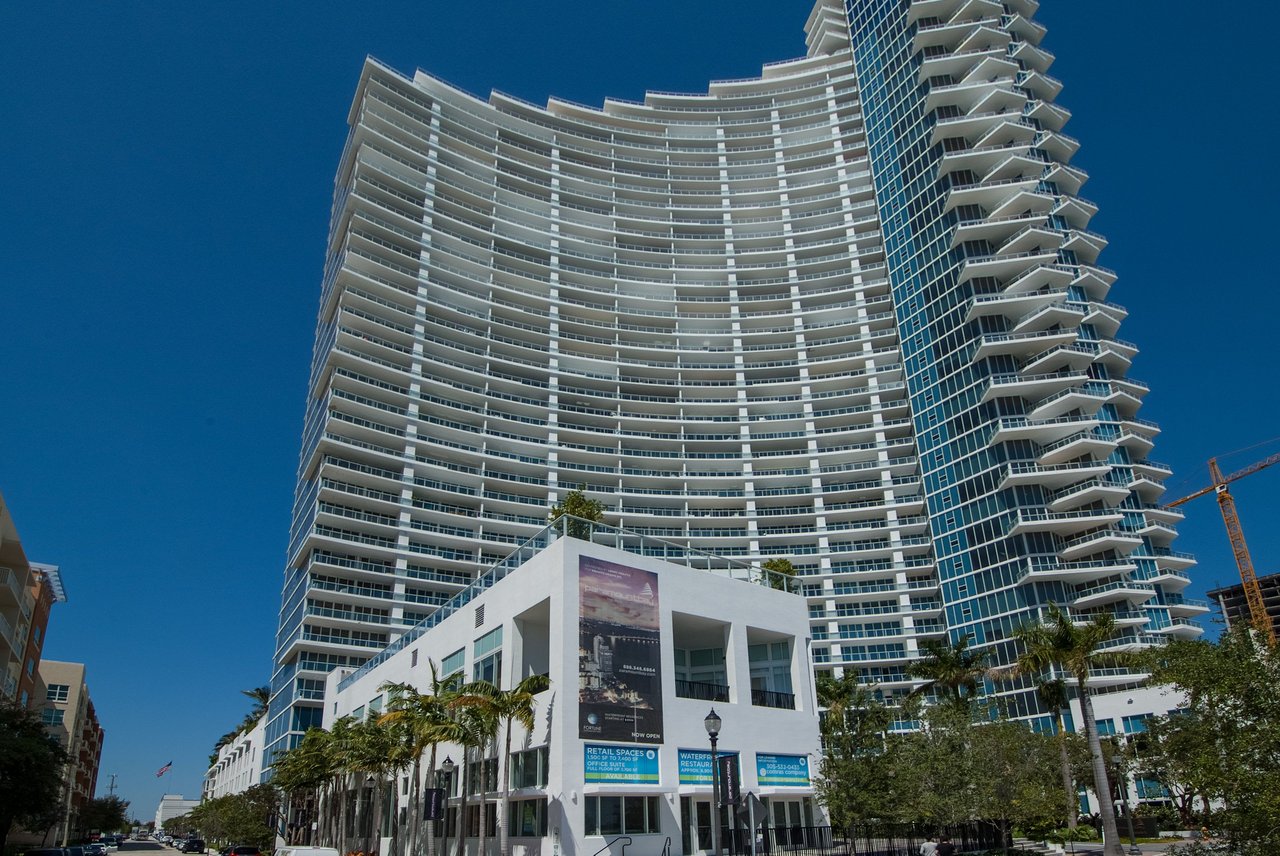
Brickell is one of Miami's most dynamic real estate markets — a high-rise financial district where sophisticated buyers and sellers transact at a pace and intensity that demands sharper negotiation than most markets. I work with buyers and sellers throughout Brickell regularly, from units in established towers like Icon Brickell and Echo Brickell to the newest luxury developments along Brickell Avenue. The negotiation tactics that succeed here are specific to this market's buyer pool, its inventory dynamics, and how deals actually get done. Here's what I rely on most.
Key Takeaways
- Understanding the specific building's sales history and days on market is the foundation of every Brickell negotiation — broad market data is too blunt to be useful here.
- Terms matter as much as price in Brickell — closing timeline, financing structure, and contingency approach all affect offer strength meaningfully.
- Brickell's high proportion of international and investor buyers shapes how sellers evaluate offers in ways that differ from primary-residence markets.
- Knowing when to make your strongest offer immediately versus when to negotiate is the skill that separates effective Brickell negotiators from reactive ones.
Know the Building Before You Know the Price
Brickell is a building-by-building market. A unit at Brickell Flatiron doesn't compete against a unit at SLS Lux the way two houses on the same street compete with each other. Building quality, HOA financial health, amenity level, and the specific view orientation of individual units all shape value in ways that require building-level research, not just neighborhood-level data.
Before making any offer in a Brickell building, I pull closed sales within that specific building in the past 90 days — not Brickell broadly. I look at days on market within the building, the list-to-sale price ratios of comparable units, and whether any recent sales involved significant concessions. This precision data is what makes every subsequent negotiation step more effective.
What to Research Before Negotiating in a Brickell Building
- Closed sales within the specific building in the past 90 to 120 days
- List-to-sale price ratios by floor tier and view orientation — bay-view units trade differently
- Days on market for currently active units in the building — longer DOM signals seller flexibility
- HOA financial health — reserve fund levels and any pending special assessments
- Any recent building-wide issues — litigation, insurance changes, or reserve deficiencies
Lead With Terms, Not Just Price
In Brickell's condo market, where many sellers are investors or international buyers without the same emotional attachment to a property that primary residence sellers carry, terms often matter as much as headline price. A cash offer with a 21-day closing and no contingencies is a meaningfully different offer than a financed one at a higher price with a 45-day timeline and a full inspection contingency — even if the financed offer is $20,000 higher.
I map each seller's likely priorities before crafting any offer. A seller who purchased as an investment and needs to close before the end of a fiscal period values speed. An international seller managing the transaction from abroad values certainty — the confidence that the deal will close without complications. Understanding what the other party actually needs, and structuring terms that address it, is the most reliable negotiating advantage available.
Terms That Strengthen Offers in Brickell Transactions
- Cash or proof of liquidity — even in financed transactions, demonstrating financial strength early builds seller confidence
- Shorter closing timeline — 21 to 30 days is achievable and highly valued in investor-seller situations
- Larger earnest money deposit — signals commitment and reduces seller risk perception
- Pre-offer condo inspection — allows contingency waiver on a completed building without sacrificing knowledge
- Flexible closing date — accommodates sellers who need time to organize outgoing logistics
Understand When to Negotiate and When Not To
This is the strategy most buyers resist but that experienced Brickell negotiators internalize completely: knowing when to make your strongest offer without negotiating is what wins the best properties. A well-priced unit in a premier Brickell building — particularly one with protected bay views, high-floor position, or a sought-after floor plan — at the right price will attract multiple interested buyers quickly.
In that situation, submitting a strong, clean, fully structured offer immediately outperforms a buyer who starts low expecting a back-and-forth. The back-and-forth buyer loses the property to the prepared one. Conversely, a unit that has been on the market for 60 or more days tells a different story — that seller has already tested the market and is more likely to respond to a strategic, data-backed offer below ask.
Reading the Market Signal Before Negotiating in Brickell
- Under 30 days on market — submit your strongest offer; less room to negotiate
- 30 to 60 days on market — moderate negotiating room; data-backed offer is effective
- Over 60 days on market — meaningful flexibility likely; seller has tested the market
- Multiple active listings in the same building — buyers have leverage; don't rush
- New to market in a high-demand building — act decisively; price discussion can come at inspection
Frequently Asked Questions
How much below asking price can I typically negotiate in Brickell?
It depends entirely on the specific building, the unit's position, and how long it has been listed. In buildings with strong demand and limited comparable inventory, offers at or near list price are standard. In units that have been active for 60-plus days, I routinely negotiate 5 to 10% below asking when the data supports it. I pull building-specific comps before advising any buyer on their opening position.
Do Brickell sellers typically cover closing costs?
In the current market, seller-paid closing cost concessions are more common than during peak years — particularly for units that have been sitting. I frame this as a credit rather than a price reduction in many cases, which can be more tax-efficient for both parties and preserves the recorded sale price.
How do I know if a Brickell building is worth buying into?
HOA reserve fund health, building insurance costs, any pending litigation, and the ratio of owner-occupants to investors are the primary indicators I evaluate for every building I represent buyers in. A building with healthy reserves, a stable HOA, and a solid owner-occupant ratio is a meaningfully better investment than one with the opposite profile — even at the same price per square foot.
Contact Marcelo Steinmander Today
Negotiating a Brickell real estate transaction well requires building-level data, a clear strategy, and the experience to know when to push and when to move decisively. That's exactly what I bring to every buyer and seller I represent in this market.
Reach out to me, Marcelo Steinmander, and let's talk about your Brickell transaction and how to position you for the best possible outcome.